


Difficulty, Deception and Death: The Design of a Souls-Like
Harshal Khandway
Sr. Taxonomy Specialist
@Gameopedia

Within a year of its launch in February 2022, , From Software’s first open-world souls-like, had sold more than 20 million units, making it one of the ‘most popular games in recent memory‘.
These sales figures – and the sheer speed at which the game hit the 20-million milestone – surpass every other souls-like by a huge margin – the entire Dark Souls series (comprising Dark Souls I, II and III) hit 27 million units sold in 2020, over the course of ten years.
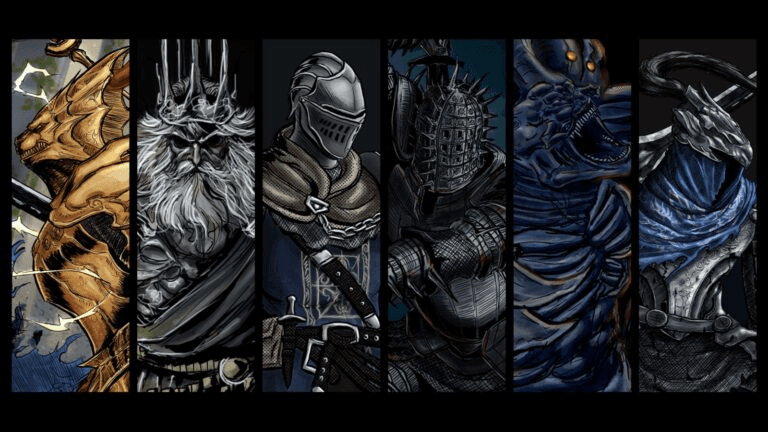
As of the time of this writing, Elden Ring has an average player count exceeding 25000 for the last 30 days according to Steam Charts, and in the months since it was released, the Steam player count has never dipped below 20000, placing it in the top 5% of Steam games in terms of active players.

Perhaps the game is easier than other souls-likes? No. As of June 2023, only 8% of owners on Steam had beaten the game. 25% of them hadn’t even beaten the first boss: Elden Ring is a gorgeous world that many owners have not even begun to explore.
The soulslike genre has its roots in Demon's Souls, the original title that established the core features of challenging combat, haunting world design, and the iconic checkpoint system. Since then, many games have followed, each offering their own take on the genre's demanding gameplay and atmospheric worlds.
To wit, you have a best-selling, incredibly difficult but frequently played game, which makes no sense. Why would so many throw themselves at Margit, the first boss, only to be thwarted for the umpteenth time? Why would so many buy the game well after its overwhelming difficulty is made obvious in any playthrough?
In this blog series, we will discuss how the soulslike genre – a radical reinvention of the role-playing and fighting games – creates a challenging but ultimately fair interactive experience, rewarding your victories and forcing you to learn from your failures. In a subsequent blog, we will discuss some major souls-likes, and how these games took the genre in new, unexplored directions. And in our final blog of the series, we will delve into how these games – known for focussing on single-player – innovate even with online play, adding a variety of features that can both help and hinder the gamer. But before we answer any questions about the souls-like, we need to identify what it is.
What is a Souls-Like? What are its Key Traits in Dark Souls?
At its most basic, a souls-like features very difficult boss fights, inhospitable environments, unforgiving combat, preset checkpoints, and other core elements such as resource management, atmospheric worlds, and progression mechanics that define the genre. A hallmark of souls-like game design is the interconnected world, where areas are linked through shortcuts and hidden passages, encouraging exploration and discovery. The core gameplay loop involves challenging combat, exploration, and careful resource management, keeping players engaged through risk and reward.
A souls-like incorporates gameplay elements of developer From Software’s titles, like the Dark Souls trilogy, Demons’ Souls, and Sekiro: Shadows Die Twice — many of which were directed by Hidetaka Miyazaki. The first outing, Demon’s Souls, established the foundational mechanics and design philosophy that subsequent games expanded upon. The design philosophy of souls-likes centers on punishing reckless behavior and rewarding patience, with a focus on game design principles that shape player experience and difficulty.
While the souls-like is not a genre unto itself, it reinvents the fighting and RPG genres by drawing on influences from character action games, such as Nioh and Sekiro, which emphasize skill-based combat and player mastery. In contrast to rogue like games, which feature procedural generation and permadeath, souls-likes focus on persistent worlds and resource recovery. Other influential action games like Ninja Gaiden offer fast-paced combat but differ in their approach to world design and progression. This is why we study the shared traits of these games, rather than treating them as a subgenre.
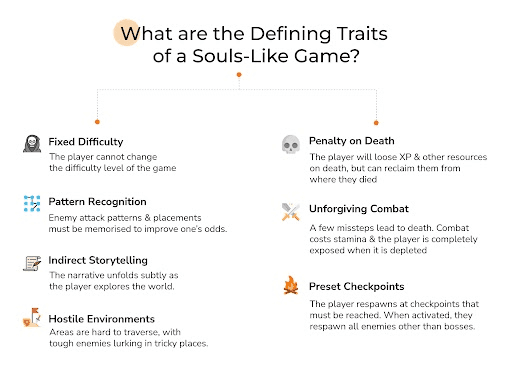
What are the Key Features of a Souls-Like?
Fixed Difficulty: The player can’t change the difficulty level of these games. The entire user base has a level playing field.
Unforgiving Combat: Just a few missteps will lead to player death. Combat moves such as attacks, blocks and dodges cost stamina (or a similar resource) and leave you vulnerable if completely depleted. The presence of a stamina bar means every action must be carefully considered, adding a layer of resource management and strategy to each encounter. Regular enemies are as strong as the player, if not more, and often you will face stronger enemies that test your skills and patience.
Pattern Memorisation: The player must memorise enemy attack patterns and placement, and also the location of hazards or traps in order to succeed.
Hostile Level Design: Navigating the environment is a challenge, with tough enemies packed in tricky locations.
Preset Checkpoints: The player has to reach and activate checkpoints manually to use them, and will respawn there on death. The checkpoint is also a place to level up your skills. Activating a checkpoint respawns all enemies in the area except for bosses, making respawn enemies a key mechanic that keeps the challenge fresh. Managing healing items at these checkpoints is crucial, as they are a limited resource that must be replenished and used wisely to survive the journey.
Loose, Indirect Narrative: The games do not feature explicit cutscenes or plotlines. There may be a quest log, but no quest markers to guide the player to their objective. The narrative unfolds as the player explores the world, and uncovers its lore by talking to NPCs and slaying bosses. Environmental storytelling is used extensively, with the world itself revealing details through its design, atmosphere, and secrets. Item descriptions also play a significant role in delivering story details and deepening the lore, encouraging players to piece together the narrative from subtle clues.
Penalty on Death: Players may lose unused items, XP and resources (called Souls in the Souls games and Runes in Elden Ring) on death, but they may be able to return to where they died to reclaim lost resources
We class all souls-likes as ‘masocore’. As defined by game designer Anna Anthropy, a masocore game subverts the player’s expectations, and the genre conventions that they think they know. Souls-likes deliver a masochistic and hardcore experience that ultimately rewards the player with an immense sense of achievement after beating a challenge that appears to be insurmountable.
True souls-likes batter and beguile you into thinking that failure is inevitable, when it isn’t. Death is central to learning from mistakes, and eventually defeating super-powered enemies. Both difficulty deception play an equal role in a souls-like’s design as it constantly subverts the assumptions you make about the game.
Mastering combat, sussing out the game’s various illusory challenges and tricks, and eventually winning by paying attention can leave you immensely satisfied. It’s easy to lose hours exploring intricate worlds, collecting loot, and mastering the systems these games offer. This is probably why these games have a fervent fan base
Souls-likes often explore dark fantasy themes. To paraphrase blogger Josh Bycer, in a souls-like, the world is ruined, the good guys are dead, there is nothing to save, and you are just trying to make things a little better (you will fail, however). You are not Geralt the White Wolf, the Dragonborn or John Shepard.
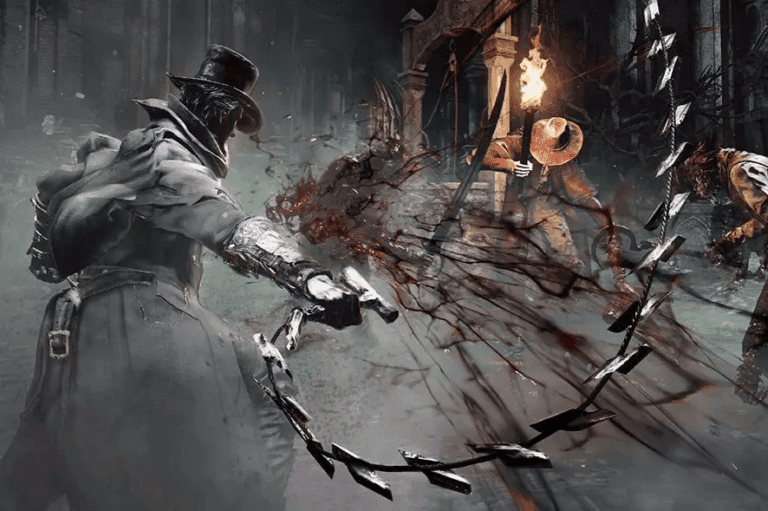
Bloodborne is a Lovecraftian horror fantasy. The Nioh games are filled with Yokai, monsters drawn from Japanese folklore. Demons’ Souls is set in a world overrun by soul-devouring creatures. The most prominent souls-likes are set in a carefully crafted and oppressive atmosphere that leaves no doubt that you are entering a world of pain. In that regard, there is no deceit.
When comparing souls-likes to other genres, it’s helpful to consider the sliding scale of difficulty, exploration, and resource management that sets them apart from Rogue-lites and Metroidvanias. Despite sharing some mechanics, each souls-like carves out its own identity through unique features, innovative mechanics, and distinct visual styles.
What are the Key Features of a Souls-Like?
Fixed Difficulty: The player can’t change the difficulty level of these games. The entire user base has a level playing field.
Unforgiving Combat: Just a few missteps will lead to player death. Combat moves such as attacks, blocks and dodges cost stamina (or a similar resource) and leave you vulnerable if completely depleted. The presence of a stamina bar means every action must be carefully considered, adding a layer of resource management and strategy to each encounter. Regular enemies are as strong as the player, if not more, and often you will face stronger enemies that test your skills and patience.
Pattern Memorisation: The player must memorise enemy attack patterns and placement, and also the location of hazards or traps in order to succeed.
Hostile Level Design: Navigating the environment is a challenge, with tough enemies packed in tricky locations.
Preset Checkpoints: The player has to reach and activate checkpoints manually to use them, and will respawn there on death. The checkpoint is also a place to level up your skills. Activating a checkpoint respawns all enemies in the area except for bosses, making respawn enemies a key mechanic that keeps the challenge fresh. Managing healing items at these checkpoints is crucial, as they are a limited resource that must be replenished and used wisely to survive the journey.
Loose, Indirect Narrative: The games do not feature explicit cutscenes or plotlines. There may be a quest log, but no quest markers to guide the player to their objective. The narrative unfolds as the player explores the world, and uncovers its lore by talking to NPCs and slaying bosses. Environmental storytelling is used extensively, with the world itself revealing details through its design, atmosphere, and secrets. Item descriptions also play a significant role in delivering story details and deepening the lore, encouraging players to piece together the narrative from subtle clues.
Penalty on Death: Players may lose unused items, XP and resources (called Souls in the Souls games and Runes in Elden Ring) on death, but they may be able to return to where they died to reclaim lost resources
We class all souls-likes as ‘masocore’. As defined by game designer Anna Anthropy, a masocore game subverts the player’s expectations, and the genre conventions that they think they know. Souls-likes deliver a masochistic and hardcore experience that ultimately rewards the player with an immense sense of achievement after beating a challenge that appears to be insurmountable.
True souls-likes batter and beguile you into thinking that failure is inevitable, when it isn’t. Death is central to learning from mistakes, and eventually defeating super-powered enemies. Both difficulty deception play an equal role in a souls-like’s design as it constantly subverts the assumptions you make about the game.
Mastering combat, sussing out the game’s various illusory challenges and tricks, and eventually winning by paying attention can leave you immensely satisfied. It’s easy to lose hours exploring intricate worlds, collecting loot, and mastering the systems these games offer. This is probably why these games have a fervent fan base
Souls-likes often explore dark fantasy themes. To paraphrase blogger Josh Bycer, in a souls-like, the world is ruined, the good guys are dead, there is nothing to save, and you are just trying to make things a little better (you will fail, however). You are not Geralt the White Wolf, the Dragonborn or John Shepard.
Bloodborne is a Lovecraftian horror fantasy. The Nioh games are filled with Yokai, monsters drawn from Japanese folklore. Demons’ Souls is set in a world overrun by soul-devouring creatures. The most prominent souls-likes are set in a carefully crafted and oppressive atmosphere that leaves no doubt that you are entering a world of pain. In that regard, there is no deceit.
When comparing souls-likes to other genres, it’s helpful to consider the sliding scale of difficulty, exploration, and resource management that sets them apart from Rogue-lites and Metroidvanias. Despite sharing some mechanics, each souls-like carves out its own identity through unique features, innovative mechanics, and distinct visual styles.
How to Survive Challenging Combat in a Souls-Like, or How to ‘Git Gud'
The phrase ‘git gud (get good)’ will forever be linked to the souls-likes: becoming skilled is the key to surviving and winning in these games. A souls like game is known for its challenging combat, where every encounter tests your timing and mastery. You must also cultivate patience and perseverance to cope with the various challenges these games hurl at you, as the game rewards patience by allowing you to learn from mistakes and recognize enemy patterns. The nature of the challenge in a difficult game like this is not just about being hard, but about punishing reckless actions and rewarding careful, strategic play.
How Do You ‘Git Gud' at Playing a Souls-Like?
Be a Survivalist: Souls-likes do not feature typical survival mechanics like the need for food, clothing and shelter. But you have to garner resources needed to level up, unlock skills, and purchase key in-game items, all of which play a critical role in killing bosses and thus progressing to new areas. Dying to lesser enemies and losing resources can thus be infuriating. Learn enemy weaknesses, patterns and placements so you can clear an area again and again and level up to improve your odds against the boss. When weakened, flee from a fight if you can – whether it’s with a boss or an enemy mob – and return healthy. Lure away enemies from their groups if possible: divide and conquer.
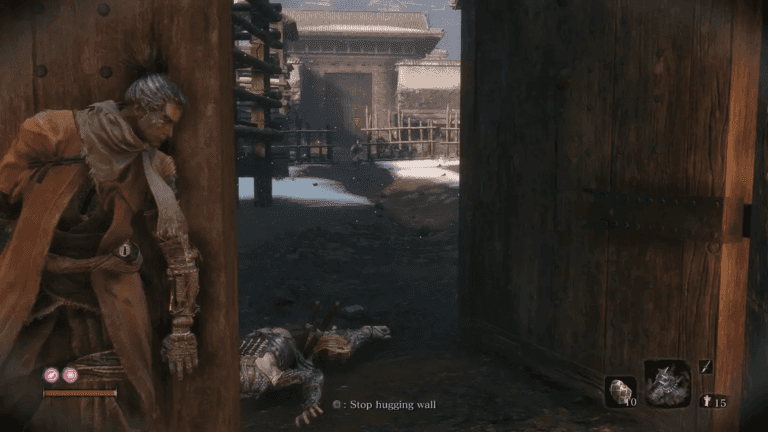
Learn How to Deal Damage: One of the first surprises a souls-like throws at you is that your attack buttons don’t really do much. Enemies dodge, block, and counterattack expertly. Even if they don’t, repeated attacks will drain your stamina, leaving you totally exposed. However, these games offer move sets that can inflict significant damage, only if they are executed within a narrow time window. In the Souls games and Bloodborne it’s the parry and riposte, in Sekiro: Shadows Die Twice, you can follow up ‘perfect deflects‘ with a deathblow. In Nioh, a timed button press triggers a ‘Ki’ pulse that rapidly regenerates your ‘Ki’, or stamina, letting you deal more blows to enemies.
Games like Wo Long: Fallen Dynasty (also known as Fallen Dynasty) introduce unique mechanics such as parry based combat, where timing and defensive maneuvers are crucial. In addition, Nioh and similar titles feature yokai abilities, special powers that add depth and customization to combat.
Perfect the Defensive Moves: Dodge rolls to get out of, or under, the boss’ range. Ducking to evade high attacks. Leaping to avoid sweep attacks. Timing the block right, or at least blocking instead of spamming attacks and exposing yourself. Getting far, far away from unblockable attacks. No matter what build you choose, and no matter what high-damage move the game has, defence is critical to surviving in a souls-like. Many modern souls-likes, such as Wo Long: Fallen Dynasty, emphasize parry based combat, making precise timing on defensive moves just as important as offense.
Study the Game, the World and the RPG System: In other RPGs, any build can be effective, but souls-likes may not offer such flexibility. This is why the Nioh games allow you to respecialise or ‘respec’ your skill points because tactics that work in early missions may not work in harder levels. The set of starting builds offered in souls-like can be considered a deviously hidden difficulty slider: the worst builds almost guarantee failure, and the best offer a fighting chance. In the trilogy and Demons’ Souls, the magic build can actually be overpowered. Souls-like world-spaces can offer helpful hints (some of these are left by other players and are visible only when playing online). Read guides and watch playthroughs if you get stuck at a certain stage – this is particularly useful in such games as they offer little to no guidance.
Some games in the genre do their own thing, innovating with new mechanics or unique settings, such as the Three Kingdoms era in Wo Long: Fallen Dynasty or the supernatural yokai abilities in Nioh.
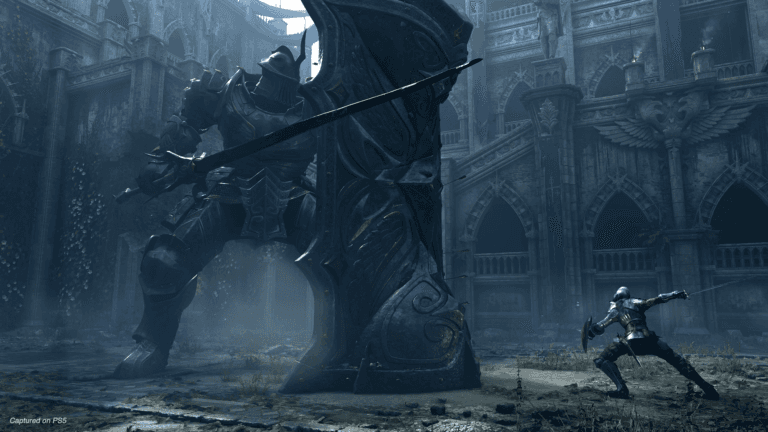
None of these survival tactics guarantee success. In each of these games, you must execute a perfect combination of defence and offence unique to each boss to defeat it and you will keep dying in perfecting this combination. Victory is always stolen from the jaws of defeat.
Despite this, every Steam user has at least one souls-like game in their library, according to SteamSpy. Steam had a user base of 132 million active users as of 2021, and the total number of owned copies of games tagged as souls-like currently exceeds 170 million.
It is safe to presume that the developers of souls-likes are getting things right more often than not, but these games could use a few upgrades without compromising on the design or artistic integrity of a souls-like experience. We delve into these below.
How Can Developers Improve the Souls-Like Formula ?
Making souls-like games easier would just rob these games of their identity. However, developers can innovate on certain key features, compelling gamers to play such games despite their difficulty:
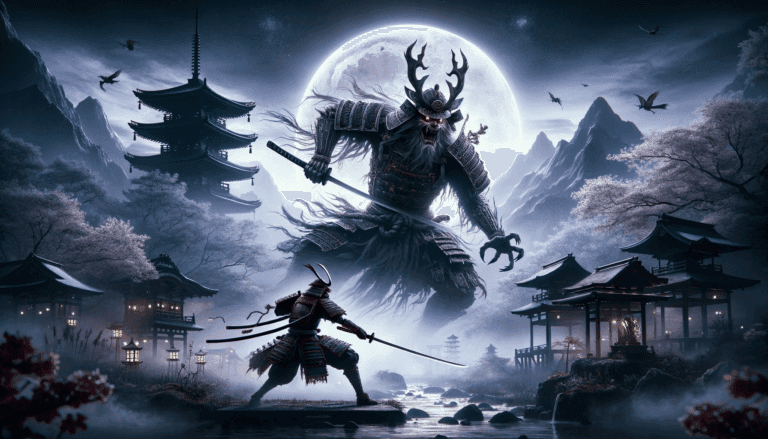
Variety in Builds, Weapons and Bosses: Nobody wants to slog through reskinned bosses and enemies. The best way to keep these games fresh is to provide a great deal of variety. Nioh’s movesets are not only fluid, but replicate real katana techniques: here’s a video of swordsmen replicating these moves, and explaining how lethal they can be. Recent titles like Lies of P have also set themselves apart with unique weapon systems and a dark, gothic atmosphere, filling the void for fans awaiting a Bloodborne sequel and standing out as a notable entry in the genre.
Intricate Level Design: As Josh Bycer points out, good souls-likes combine expert level design with immersive environments. You need to place obstacles, traps and other nasty things (the level) organically in a well-crafted world-space (the environment). With its grappling hook mechanic, Sekiro adds a vertical dimension that lets you soak in each gorgeous but treacherous worldspace.
Rewarding Gameplay: These games should give freely if they wish to remain unforgiving. Good souls-likes reward exploration: you can find ‘Coda's‘ by exploring Nioh’s levels, and these beings confer various ‘blessings’ that can make your playthrough easier. In Elden Ring, exploring the Legacy Dungeons (without the aid of your steed Torrent) can result in epic rewards and boss fights.
Less Punishing Deaths: This is another quality-of-life feature that can make these games more accessible. Sekiro is by far the most forgiving: You can resurrect in mid-battle after dying and flee to a nearby checkpoint (boss encounters zones do not lock you in) without any penalty. Even if you die, there is a 30% chance that you will lose nothing because of the Unseen Aid mechanic.
Conclusion
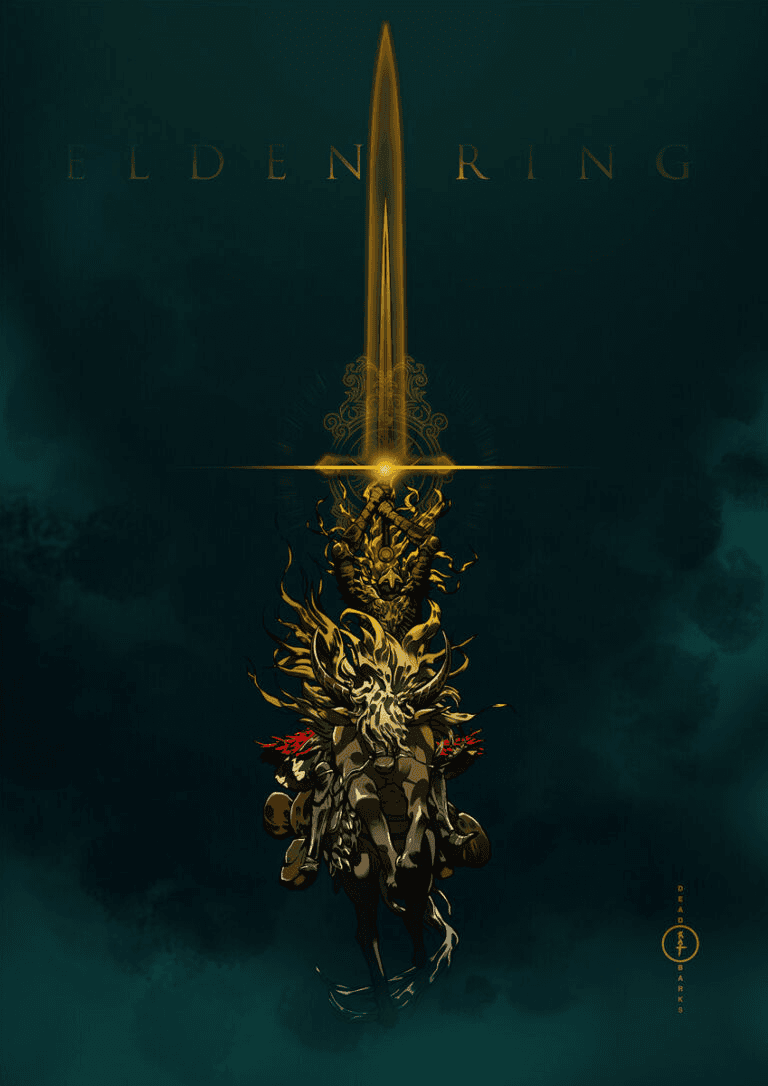
Developers need not compromise on the difficulty or even the souls-like rule-set that we have defined above when they introduce quality-of-life upgrades or innovations. Sekiro might not punish you repeatedly for dying, but you possess only one decisive move in battle: the perfect parry. Nioh’s movesets are fluid and even flashy, but they must be executed within a very narrow time window and can be mastered only with a lot of grinding.
In fact, throughout this blog, we have discussed how each prominent souls-like balances offence, defence and difficulty in equal measure, how it stands out with variations on the core design principles of such games, and how even death, the worst outcome, is usually a learning path for the gamer. Platform optimization is also key, with many souls-like games now optimized for the Xbox Series to ensure smooth and immersive gameplay experiences. So long as designers get the basics right, they can innovate endlessly – and this is why we have so many high-quality souls-likes, and so many devoted fans of these games.
Fueled by a lifelong gaming addiction, I cut my teeth on Dota 2 before succumbing to the alluring torment of Soulslike games. While I dabble in everything from Marvel Rivals to the twisted genius of Josef Fares, my heart belongs to FromSoftware and the sadistic brilliance of Hidetaka Miyazaki.